
Conformal Coating for PCBA: Cleaning and Ionic Contamination Checks Before the Coat
Nov 3, 2026
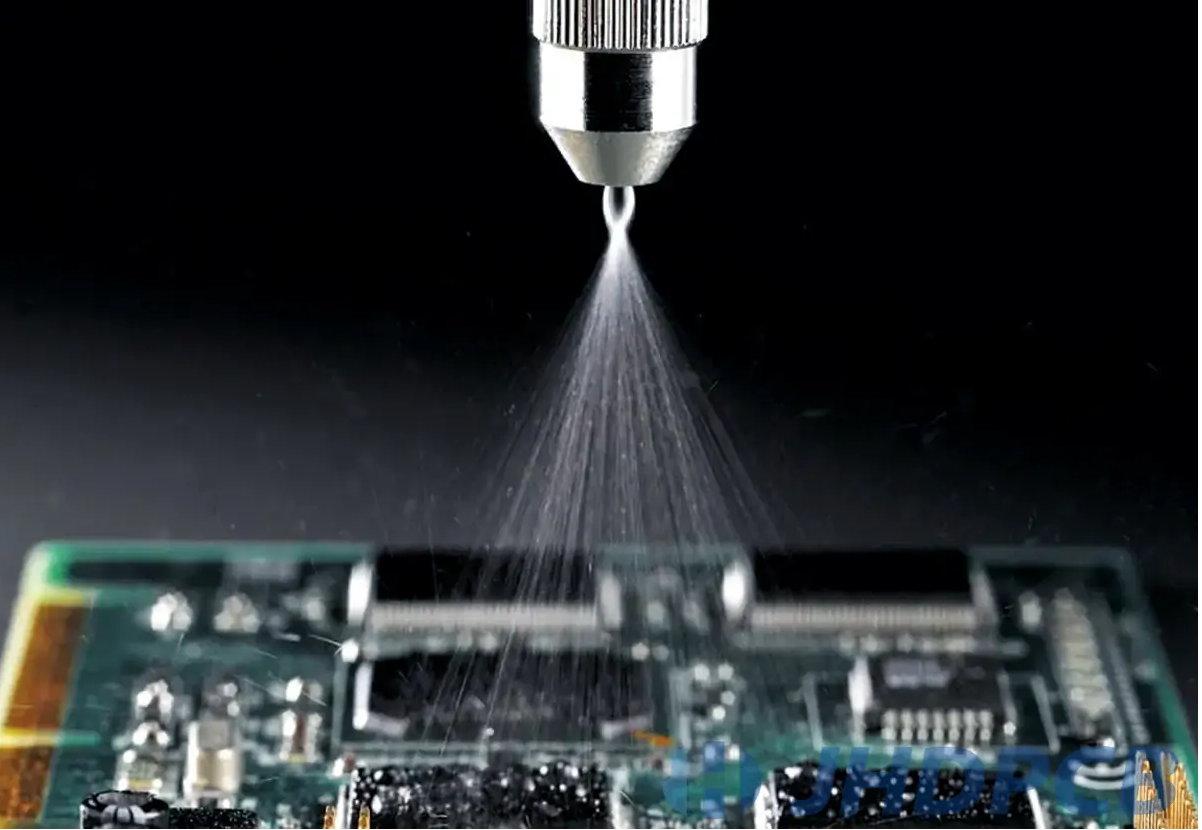
Shenzhen, Guangdong Nov 3, 2026 (Issuewire.com) - Ionic contamination control is the process of removing and measuring flux residues, salts and handling contaminants on an assembled board before it is coated or sealed. Conformal coating for PCBA fails when it covers residue. Trapped ionic material draws moisture under the film and causes leakage current, corrosion and delamination. Cleaning and a measured cleanliness check come first. The coat comes second.
Flux Residue Types After Reflow: No-Clean, Rosin and Water-Soluble
The residue chemistry decides the cleaning method: No-clean flux leaves a thin, inert film that many customers accept on uncoated boards. Under a coating it is a risk, because adhesion and long-term compatibility must be proven for each coating material. Rosin and water-soluble fluxes must be removed completely, and water-soluble residue is the most corrosive if it stays. STHL engineers read the flux type from the paste datasheet before they choose a cleaning method for any Pcb Assembly that will be coated.
ROSE Testing and Ion Chromatography for Ionic Contamination Limits
ROSE gives a fast bulk reading, and ion chromatography names the specific ions: Resistivity of solvent extract (ROSE) testing, defined in IPC-TM-650 method 2.3.25, rinses the board and reports total ionic content as micrograms of NaCl equivalent per square centimeter. Older IPC guidance used 1.56 µg/cm² as the limit, and many customers still quote it. The limit that applies is the one on the customer drawing. Ion chromatography separates chloride, bromide, weak organic acids and other ions, so engineers can trace a failure to its source. A ROSE reading is a screening tool. A high value triggers a deeper test. Cleanliness data is most useful when it is compared across lots, because a drift in readings often shows up before a failure does. A single passing result says little about the next build.
Cleaning Methods in a PCBA Assembly Service: Brush, Manual Solvent and Ultrasonic
| Method | Best for | Watch out for |
| Rotary brush with solvent | Flux residue on populated boards with standard parts | Brush pressure near fine-pitch leads |
| Manual solvent cleaning | Component-sensitive areas, local rework, spot residue | Operator consistency, drying time |
| Ultrasonic | Dense boards, residue under low-standoff parts | Damage to crystals, MEMS parts and some relays |
| Spray cleaning | Batch cleaning of boards with open frames | Equipment cost, chemistry control |
STHL Tech applies rotary brush or manual solvent cleaning, with manual methods for component-sensitive cases: A crystal, a MEMS microphone or a sealed relay may not tolerate ultrasonic energy or an aggressive solvent, so the method depends on the parts on the board. Customers who order a PCBA assembly service with coating should state the coating type and the cleanliness limit in the RFQ.
Pre-Coat Checklist and Coating Thickness per IPC-A-610
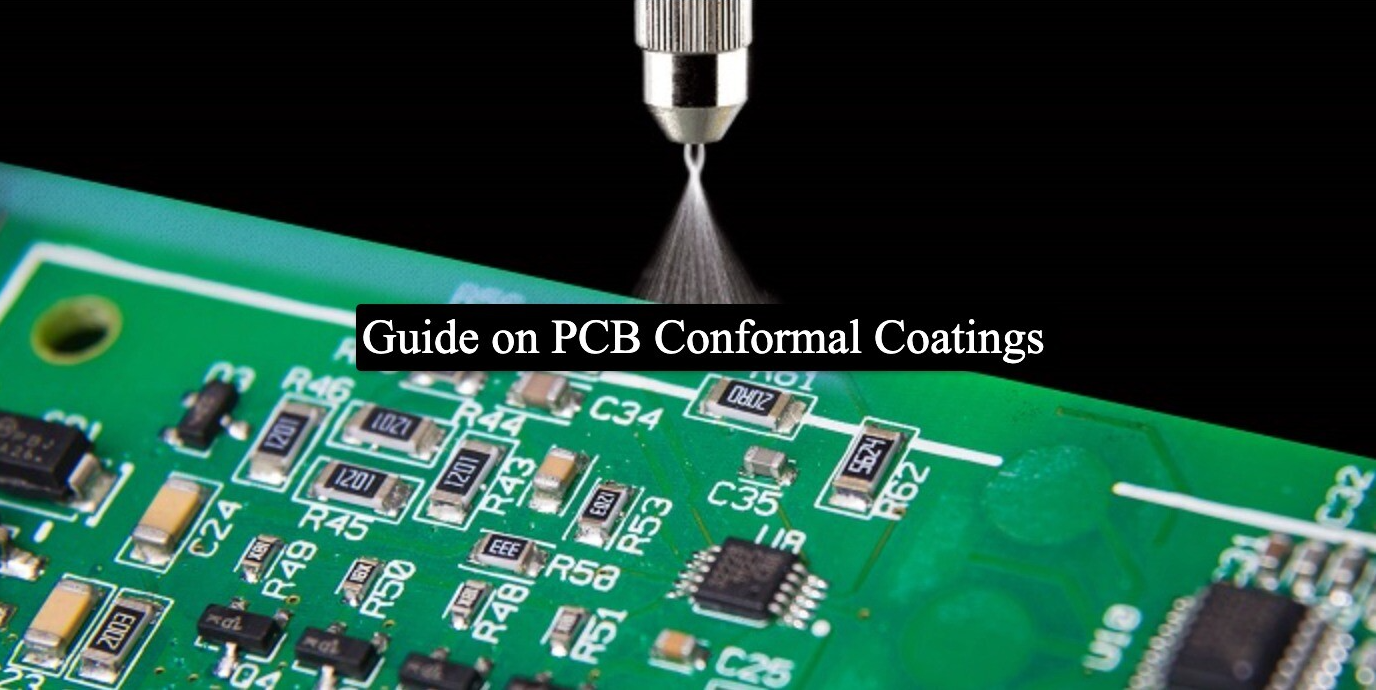
A coat applied over a dry, clean, masked board at the specified thickness is the only coat worth inspecting: Conformal Coating for PCBA also changes how heat leaves the board, so the coating type and keep-out areas should be agreed before the build. STHL Tech follows five steps for coated boards.
1. Confirm the coating material: Acrylic, silicone, polyurethane and parylene differ in heat dissipation, rework and chemical resistance.
2. Mask keep-out areas: Connectors, test points, switches and heat-sink contact areas stay uncoated.
3. Clean and dry the board: A bake step removes absorbed moisture, which otherwise blisters under the film.
4. Verify cleanliness: Run ROSE, or the test the customer specifies, on a sample.
5. Apply and measure thickness: IPC-A-610 lists 0.03-0.13 mm (30-130 µm) for acrylic and 0.05-0.21 mm for silicone. Coverage is checked under UV light when the coating contains a tracer.
Masking deserves care. Silicone and acrylic coats creep into connectors and under shields if keep-out areas are not sealed, and a coated contact fails an electrical test later.
Conformal Coating Station and Moisture-Proof Cabinets at STHL
STHL Shenzhen factory includes a conformal coating station and moisture-proof cabinets for moisture-sensitive parts: Sensitive parts wait in dry storage before they go on the line, and coated boards continue to functional testing on dedicated FCT lines. Conformal coating for PCBA is one step in a flow that runs from incoming inspection to box-build under one roof. Customers should say where the product will live, and whether it will see condensation, salt air or chemical vapor. A sealed indoor enclosure and a damp outdoor box need different coating choices.
Source :Shenzhen STHL Electronics Co., Ltd.
This article was originally published by IssueWire. Read the original article here.





YOUR NEWS, OUR NETWORK.
Do you have Great News you want to tell the world?
Be it updates about your business or your community, you can make sure that it’s heard by submitting your story to our network reaching hundreds of news sites across 6 verticals.